Here's what nobody tells you about cold plunges: the first time you step into 52°F water, your brain will scream at you to get out. Every survival instinct you have will fire at once. Your breathing will go sideways. Your heart will pound.
And then something magical happens. Around the two-minute mark, your nervous system surrenders. The panic dissolves. You realize you're not actually dying — you're doing something that helps build resilience, supports recovery, and makes you feel more alive.
At Debrief Recovery Studio in Norwood, I watch this transformation happen every day. Stressed-out executives who can barely sit still for five minutes suddenly find clarity in the cold. Athletes discover they feel more recovered between training sessions. Regular people realize they're capable of more discomfort — and more growth — than they imagined.
The benefits have solid research backing. The protocols are proven. And once you experience what controlled cold exposure does for your body and mind, everything else feels optional.

The Cold Shock That Changes Everything
When you hit cold water, your body doesn't mess around. Within seconds, your sympathetic nervous system fires like a shot. Norepinephrine — the hormone that makes you feel sharp, focused, and ready for anything — floods your system.
This isn't some wellness trend nonsense. Published research from Dr. Rhonda Patrick and colleagues demonstrates that cold water immersion at temperatures around 57°F triggers significant norepinephrine release. According to studies published in the European Journal of Applied Physiology, cold water immersion can increase norepinephrine levels by 200-300% above baseline, with effects lasting several hours post-exposure.
Think about that. One three-minute session in our Morozko Forge cold plunge, and your brain chemistry shifts in ways that impact focus, mood, and stress response for the rest of your day. This is why our members tell us they feel "switched on" after cold sessions. It's not motivation. It's neurochemistry.
Your body adapts fast, but the benefits compound. Week one feels like survival. Week four feels like clarity. Week twelve feels like you've unlocked capabilities you didn't know you had.
The temperature matters more than you think. Below 50°F becomes potentially dangerous for most people without proper supervision. Above 60°F, and research suggests you're missing the physiological triggers that create adaptation. We keep our cold plunge at 52°F because that's where the research shows optimal benefits occur — cold enough to trigger growth, controlled enough to be sustainable.

Physical Recovery That Actually Works
Here's where cold therapy gets interesting for anyone who trains hard or works harder. The vascular response to cold — vasoconstriction followed by vasodilation — creates what researchers call a "vascular workout" for your circulatory system.
When cold hits your skin, blood vessels constrict, potentially reducing inflammation and metabolic demand in tissues. When you warm up, they dilate, increasing blood flow. A 2022 systematic review published in Sports Medicine found that cold water immersion may help reduce exercise-induced muscle damage markers and perceived soreness, though individual responses vary significantly.
I've watched members report feeling more recovered between hard training sessions. The reduction in muscle soreness isn't subtle for many people — it's the difference between walking normally the day after leg day versus hobbling around like you're ancient.
Cold exposure activates brown adipose tissue (brown fat) — the metabolically active fat tissue that burns calories to generate heat. Unlike regular fat that stores energy, brown fat burns energy. Research published in Cell Metabolism shows that cold exposure can increase brown fat activity and may improve metabolic health over time.
The circulation improvements happen relatively quickly and may build over time with consistent practice. Many members report better sleep quality, more stable energy throughout the day, and that hard-to-describe feeling of being more resilient to whatever life throws at them.
Consistency beats intensity every time. Three sessions per week appears optimal based on current research. Seven sessions per week might just burn you out. Your nervous system needs time to adapt, not more stress to manage.
Mental Clarity Through Controlled Stress
The mental benefits of cold therapy might be the most profound part of the whole experience. That same norepinephrine surge that may help your body recover also acts as a natural mood enhancer.
When you're sitting in 52°F water, fighting every instinct to flee, you learn something valuable about your own capacity to handle discomfort. You discover that panic isn't permanent. That breathing can be controlled even when everything feels out of control. That you're stronger than the voice in your head that wants to quit.
This translates directly to everything else. Difficult conversations at work. Traffic that makes you want to scream. Family stress that usually derails your entire week. The breathing techniques you develop during cold exposure become tools you can use anywhere.
Research from Dr. Andrew Huberman's lab at Stanford suggests that deliberate cold exposure may improve stress resilience through what scientists call "stress inoculation." A study published in Psychoneuroendocrinology found that regular cold water swimmers had lower cortisol responses to psychological stress compared to controls, suggesting improved stress adaptation.
Members tell me they use their "cold plunge breathing" during job interviews, medical procedures, and any situation where staying calm under pressure matters. The cold teaches you to be present with discomfort instead of running from it — a skill worth developing in our overstimulated world.
Building Resilience Through Hormesis
Regular cold exposure triggers a phenomenon called hormesis — beneficial stress that may make your body stronger. Your immune system responds to the controlled stress of cold water by potentially strengthening its defenses.
The famous "Iceman" study led by Matthijs Kox and published in PNAS showed that participants who practiced cold exposure combined with breathing techniques had significantly lower inflammatory responses when exposed to bacterial toxins compared to controls. While this was a small controlled study, it suggests cold therapy may influence immune function.
Research from the Netherlands involving over 3,000 participants found that people who took cold showers had 29% fewer sick days compared to those who took warm showers only, according to a study published in PLOS One. The participants alternated between warm and cold water for 30-90 seconds over 30 days.
What I see consistently at Debrief is that regular cold plungers report fewer seasonal illnesses and feeling more resilient overall. During flu season, many members increase their cold therapy frequency — not as treatment, but as part of building overall resilience.
The sweet spot seems to be 3-4 sessions per week based on current protocols. More isn't always better with cold therapy. Your body needs recovery time between sessions to adapt and potentially strengthen.

Your First Plunge at Debrief
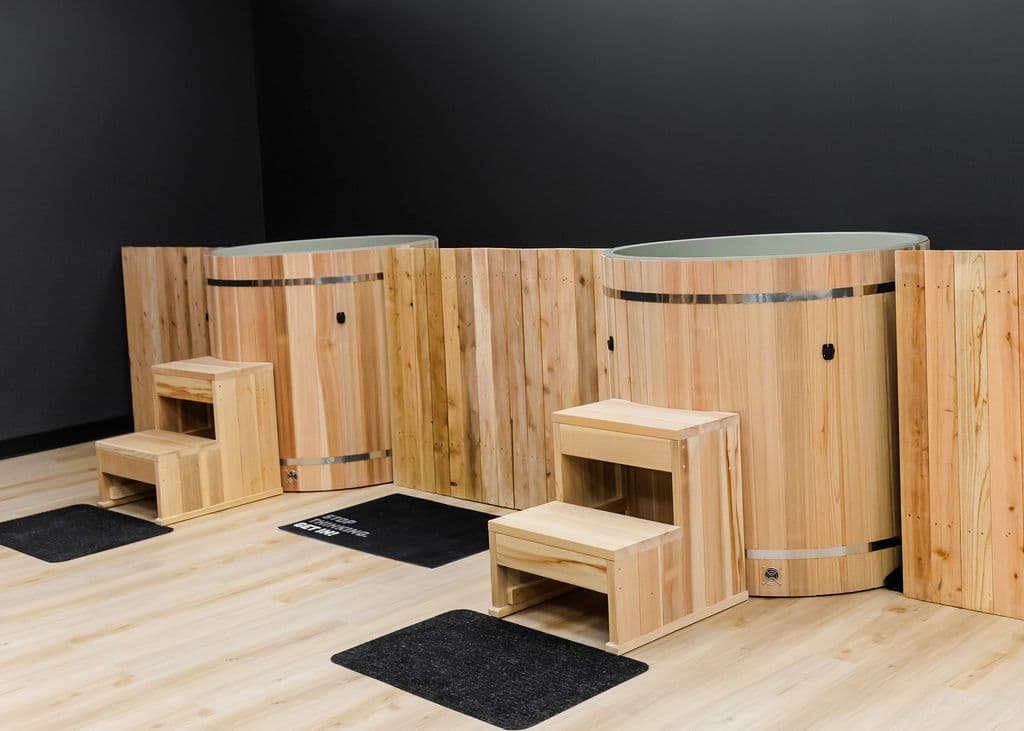
Walking into our studio for the first time, most people look at the Morozko Forge cold plunge like it might bite them. The water sits at exactly 52°F — cold enough to trigger adaptation based on research, controlled enough to be safe. No guessing. No ice baths that vary by 15 degrees depending on when someone last added ice.
Step in slowly. Focus on your breath. The first 30 seconds will test every bit of willpower you have as your body's alarm system fires. Around minute two, something often shifts. The panic typically subsides. Many people report feeling surprisingly calm, even euphoric, by minute three.
Start with 2-3 minutes, three times per week. As your cold tolerance builds, you can extend duration slightly. The goal isn't suffering — it's finding that sweet spot where you're challenged but still in control of your breathing and thoughts.
Ready to discover what controlled cold exposure can do for your recovery and resilience? Book your free intro session at Debrief Recovery Studio. Come see for yourself how three minutes in the cold can change how you feel for hours. First session is free.
— Brett, Tyler and Cody
Frequently Asked Questions
What are the main cold plunge benefits?
Research suggests cold plunge benefits include faster muscle recovery, reduced inflammation markers, improved circulation, increased mental clarity and focus, enhanced stress resilience, and potential immune system support. The key mechanism is norepinephrine release, which affects both physical recovery and mental performance for hours after your session.
How often should I do cold plunges for maximum benefit?
Research suggests 3-4 sessions per week provide optimal benefits without overtaxing your nervous system. Start with 2-3 minute sessions at 50-55°F. Consistency matters more than intensity — regular shorter sessions appear to deliver better results than occasional longer ones. Your body needs time to adapt between sessions.
Is cold plunge therapy safe for everyone?
Cold therapy is generally safe for healthy adults, but certain conditions require medical clearance first. People with cardiovascular disease, uncontrolled blood pressure, eating disorders, or pregnancy should consult their doctor before starting. The shock of cold water can trigger dangerous responses in people with certain heart conditions.
What should I expect during my first cold plunge?
Expect an intense initial response as your nervous system activates. The first 30 seconds are typically the most challenging, with rapid breathing and strong urge to exit. By minute two, most people find their breathing stabilizes and panic subsides. Many report feeling calm or euphoric by minute three, followed by increased energy when exiting.