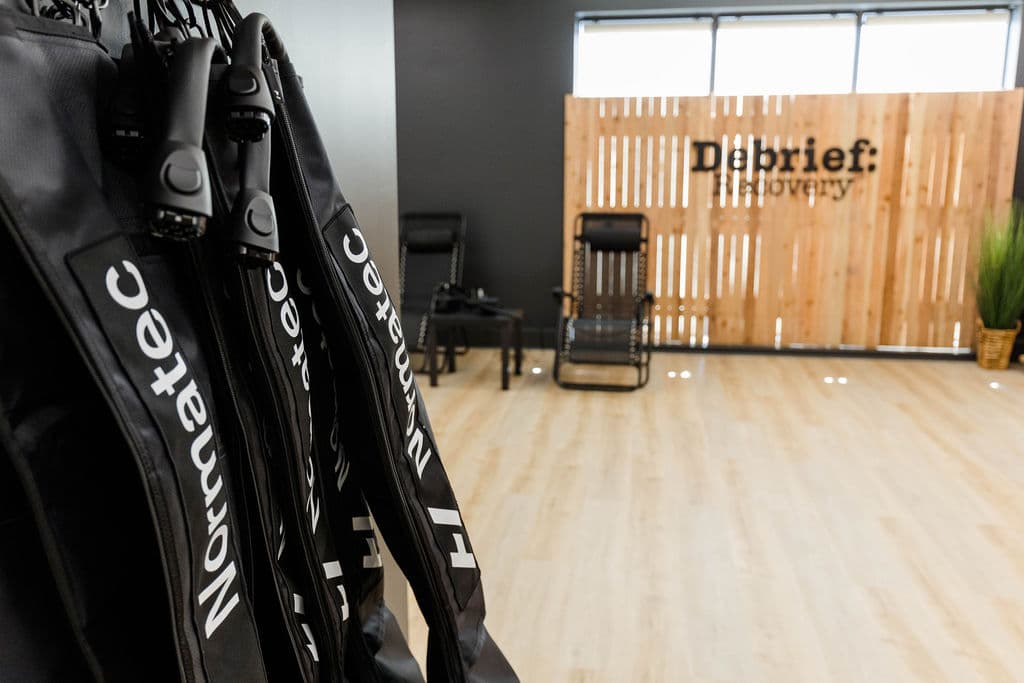
Here's what nobody tells you about your first recovery visit: you'll walk in thinking you know what heat and cold feel like, then spend the next hour discovering you've never actually experienced either one properly.
Last week, a local business owner told me he'd been using his home sauna at 160°F for months. "I'm basically a sauna expert," he said with a grin. Twenty minutes later, stepping out of our 195°F traditional sauna, he looked like he'd just discovered fire for the first time. "That," he said, wiping sweat from his forehead, "was completely different."
That's the thing about real recovery protocols — they don't feel like the watered-down versions you've tried before. Our traditional saunas run hot enough to trigger actual physiological adaptations. Our Morozko Forge cold plunges are cold enough to wake up your nervous system in ways that matter. And the quiet? It's the kind of genuine silence that lets you remember what thinking clearly actually feels like.
Your first recovery visit isn't about comfort. It's about discovering what your body can actually do when you give it the real thing.
What Recovery Actually Means (Spoiler: It's Not Netflix Time)
Let's clear something up right away — recovery and relaxation are as different as training and taking a nap.
Relaxation is what you do on Sunday afternoons: Netflix, massages, sitting by the pool with a book. Recovery is active stress that makes you stronger, sharper, more resilient. It's the difference between feeling good for an hour and building capacity that lasts.
The Finns figured this out centuries ago when they built their saunas to run at temperatures that would make most modern spa-goers run for the exit. They weren't trying to create a comfortable experience — they were creating an adaptive one.
When you expose your body to 195°F heat, you trigger heat shock protein production. These proteins act like cellular bodyguards, protecting your cells from stress damage. But here's the catch — you need proper temperatures to trigger them. At 140°F, you're just sitting in warm air.
Cold water works the same way from the opposite direction. When you immerse yourself in 39°F water, your nervous system activates stress response pathways that increase resilience to all kinds of pressure — physical, mental, emotional. Your body learns to stay calm and focused under stress because you've trained it to do exactly that.
This is why we built Debrief around proven protocols instead of comfortable compromises. Traditional saunas that actually get hot. Cold plunges that actually get cold. An environment quiet enough for your nervous system to reset instead of just rest.
Your first recovery visit will show you the difference between feeling temporarily good and building long-term resilience.
Your Assessment: The Real Talk Before the Real Work
Walk through our doors and we're going to have what my brother Tyler calls "the conversation" — a straight discussion about where you are and where you want to go.
Are you dealing with training fatigue that's making every workout feel like punishment? Carrying work stress that follows you home every night? Curious about cold therapy but secretly terrified of that first plunge? We need to know because your first session should challenge you appropriately, not traumatize you.
I've watched too many people try to jump straight into advanced protocols because they think recovery is about proving something. It's not. It's about progression. A guy came in last month insisting he could handle our coldest plunge setting on his first visit. Three seconds later, he was out of the water, hyperventilating, convinced that cold therapy "wasn't for him."
New to saunas? We start you at 15-20 minutes at 180°F and teach you what sensations to expect versus what should send you out the door. Never done cold water? We begin at 50°F for 2-3 minutes with proper breathing techniques that actually work. Have experience with contrast therapy? We can push the protocols based on what your body has already adapted to.
This assessment takes about 10 minutes and determines whether you spend your free session discovering what your body can do or fighting protocols that are wrong for your current state.
The Equipment That Actually Makes a Difference
Most places call themselves "recovery studios" then fill the space with infrared boxes and lukewarm pools. We went the opposite direction — fewer options, better equipment, protocols that actually work.
Our traditional saunas run at 195°F because that's where the science points. Heat shock proteins — the cellular repair mechanisms that protect against stress damage — activate optimally when your core temperature reaches specific thresholds. You can't hit those thresholds sitting in 140°F infrared heat.
The Morozko Forge cold plunges maintain 37-50°F depending on which protocol you're following. This isn't arbitrary temperature selection — research consistently shows that water below 60°F triggers the sympathetic nervous system response that increases norepinephrine and dopamine. Above 60°F, you're just uncomfortable without the adaptation benefits.
Contrast therapy — moving between our 195°F sauna and 39°F plunge — creates what I like to call "vascular pumping." The rapid temperature changes force your circulatory system to work in ways that help clear metabolic waste and deliver fresh nutrients to recovering tissues. You'll feel this working during your first visit.
The Dream Pod V2 float tanks provide sensory deprivation for nervous system recovery. Some members use them before contrast therapy to downregulate stress. Others prefer them after to integrate the experience. Both approaches work — it depends on what your nervous system needs that day.
Why Local Business Owners Choose Recovery Over Relaxation
The entrepreneurs and executives who become Debrief members aren't looking for spa treatments. They need performance tools that fit into demanding schedules and actually improve their capacity to handle stress.
Take the concept of stress inoculation. Regular sauna use teaches your body to handle physiological stress more efficiently. That adaptation transfers to other types of stress — work pressure, difficult conversations, decision fatigue. Build heat tolerance in the sauna and you handle meeting stress with more composure.
Cold exposure works similarly. The controlled stress of cold water immersion trains your nervous system to stay calm under pressure. One member, a local restaurant owner, told me that after six weeks of regular cold plunges, he stopped losing sleep over customer complaints and staffing issues. "It's like my stress thermostat got recalibrated," he said.
Business owners also appreciate efficiency. Thirty minutes of contrast therapy provides benefits that take hours to achieve through other methods. The time investment pays dividends in energy, focus, and decision-making capacity.
Members consistently report sleeping deeper after sauna sessions, thinking more clearly after cold plunges, and handling high-pressure situations with more composure. These aren't wellness claims — they're performance improvements with measurable business impact.
The South Shore Gets It: Substance Over Marketing
Norwood attracts people who value function over flash. They want to understand how things work before they invest time and money. That's exactly the mindset that recovery requires.
Unlike Boston's wellness scene — where every month brings a new trend with promises of instant transformation — the South Shore appreciates proven methods done properly. Heat therapy and cold exposure aren't new discoveries. They've been studied for decades. But accessing proper protocols and equipment is still surprisingly rare.
Local business owners especially appreciate our unplugged environment. No phones, no screens, no distractions. When you're in our sauna, you're present with the heat and your thoughts. In the cold plunge, you're focused on breathing and the immediate challenge of staying calm under stress.
This mental clarity is as valuable as the physical adaptation. In a world of constant notifications and divided attention, the ability to focus completely on one thing for 20 minutes becomes a superpower.
What Actually Happens During Your Free Session
Your first recovery visit follows a specific sequence designed to introduce you to contrast therapy safely while giving you a real taste of what proper protocols feel like.
We start with that assessment conversation to understand your experience level and any health considerations. Then you'll change into workout clothes or swimwear — whatever you're comfortable moving in.
First exposure is usually our traditional sauna at 180-195°F for 15-20 minutes. We'll explain what you should feel (heat building, heart rate increasing, eventual sweating) and what should send you out immediately (dizziness, nausea, chest pain). Exit when you need to — building tolerance takes time and there's zero shame in shorter sessions.
Cool down for 2-3 minutes with room temperature water and controlled breathing. This transition period is crucial for first-time visitors. Moving directly from maximum heat to maximum cold can overwhelm your nervous system in ways that aren't productive.
Then comes the cold plunge. We start most people at 50°F for 2-3 minutes with specific breathing instructions that actually work. The goal isn't to suffer heroically — it's to experience the nervous system response that triggers adaptation. You'll know it's working when you feel alert and energized rather than just cold and miserable.
We typically repeat this cycle 2-3 times during your first session, adjusting temperatures and durations based on how you respond. Some people handle the full protocol immediately. Others need several visits to build tolerance. Both paths lead to the same place.
Frequently Asked Questions
What should I bring to my first recovery visit?
Comfortable workout clothes or swimwear, and a water bottle. We provide towels, robes, and everything else you need. Avoid heavy meals 2-3 hours before your session — heat and full stomachs don't mix well.
How long does a typical recovery session last?
Most sessions run 60-90 minutes including assessment, changing, and multiple contrast cycles. First-time visitors often start with shorter protocols and build duration over subsequent visits as tolerance improves.
Is there a cost for the first recovery session?
Your first session is completely free. No membership pressure, no hidden fees. We want you to experience proper recovery protocols before making any commitment to continued training.
Can I use my phone during the recovery session?
Absolutely not. This is an unplugged environment by design. Phones and screens stay in the lockers. The mental clarity from genuine quiet is half the benefit. Your notifications can wait 90 minutes.
What if I can't handle the full protocol on my first visit?
That's completely normal and expected. Recovery is about progression, not proving anything. We'll adjust temperatures, durations, and cycles based on how your body responds. Building tolerance takes time.
Experience Real Recovery for Yourself
Your first recovery visit will show you what evidence-based protocols actually feel like. Not the watered-down versions you find at spas and chain gyms — the real thing done right.
Book your free intro session today. Debrief Recovery, Rojo Office Park behind the Valvoline in Norwood. Free parking out front.
Come discover what your body can actually do.
— Brett, Tyler, and Cody